Social Listening to Understand Audience Conversations
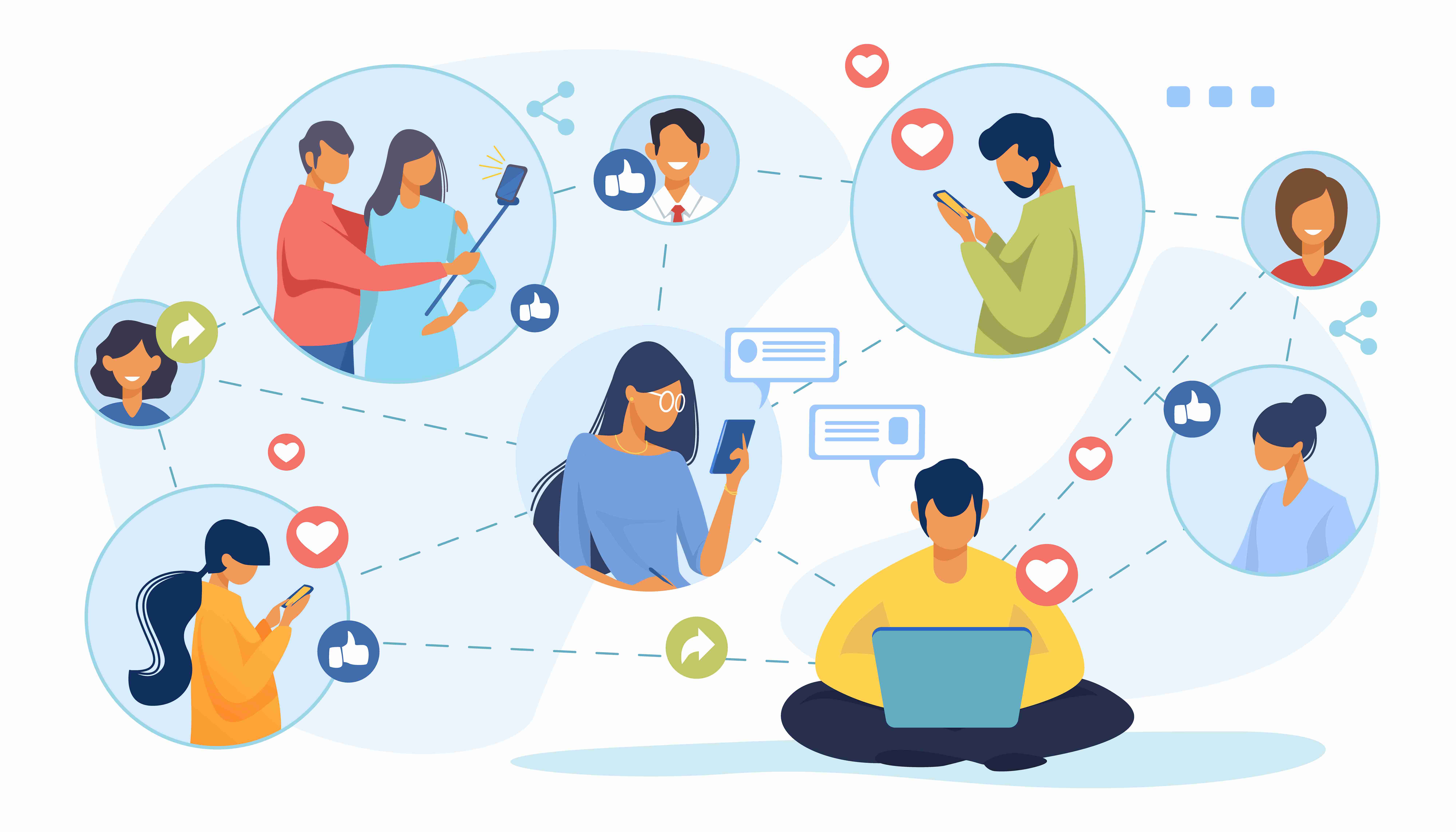
In a world where people share opinions freely online, listening has become one of the most important skills for a brand. Everyone talks — on social media, in comments, in reviews and even in forums — about their experiences, preferences, frustrations and expectations. These conversations are public goldmines of insight. But just reading a few comments here and there isn’t enough. You need a systematic way to gather, measure and understand what your audience is saying. That is where **social listening** comes in.
Social listening is more than just tracking mentions of your brand name. It involves scanning the digital landscape for conversations related to your brand, products, competitors and industry. Rather than reacting to individual comments, you’re able to see patterns and trends that give you a deeper understanding of how people feel and what they truly care about. With this insight, you can make better business decisions, sharpen your messaging and respond to customer needs more confidently.
**What Social Listening Really Means**
At its heart, social listening is about paying close attention to online discussions. It gathers public conversations from social platforms, blogs, forums and review sites and organizes that information so it can be analyzed. Instead of random bits of feedback, social listening provides a meaningful picture of how people perceive your brand and how those perceptions change over time.
Traditional monitoring tools might alert you when your brand name appears online. But social listening goes beyond that. It looks at context, sentiment and trends. For example, it can show not just how often people mention your product, but how they feel about it — whether positive, negative or neutral — and what specific attributes they are referring to.
This depth of understanding allows businesses to act on real conversations rather than assumptions.
**Why Social Listening Matters Today**
In today’s digital environment, people are talking about brands all the time, whether brands are listening or not. This presents both opportunities and challenges.
**Improve Customer Experience**
When you know what people are saying about your products or services, you can act quickly to fix problems, answer questions and address concerns. Instead of waiting for complaints to pile up, you get ahead of dissatisfaction and show your audience that you care.
**Strengthen Brand Reputation**
Your brand’s reputation is shaped not only by what you say, but also by what others say about you. Social listening helps you keep a finger on the pulse of public opinion. You can spot negative trends early, take corrective action and protect your reputation before issues escalate.
**Shape Better Marketing**
Marketing without feedback is like navigating without a map. Social listening gives you a clear view of what topics and messages resonate with your audience. You can craft more relevant campaigns, refine your content and tailor your outreach to match the interests and language of your audience.
**Spot Opportunities and Risks**
Social listening helps you identify emerging trends, community needs and gaps in the market. It also alerts you to potential risks — such as growing dissatisfaction or misconceptions — so you can act before they affect your brand’s standing.
**Track Competitor Activity**
Understanding how audiences talk about competitors gives you a valuable edge. You can learn what customers like or dislike about similar products and services, and adjust your approach accordingly. This competitive awareness can influence everything from product development to pricing strategies.
**How Social Listening Works**
Social listening involves a mix of technology and thoughtful interpretation. First, tools collect data from a wide range of public sources — social platforms, blogs, forums, review sites and more. These tools then organize the data using specific keywords, phrases and topics related to your brand or industry.
Once the data is gathered, the next step is sentiment analysis — understanding whether the conversations are positive, negative or neutral. This helps differentiate between praise and criticism and highlights which topics are trending.
Beyond sentiment, you can break down the data to answer questions like:
* What are the most discussed features of a product?
* Which marketing messages are gaining traction?
* Are there specific events or announcements driving conversation?
* How do people describe their experience with your service?
With this information, companies can adapt their strategies, improve customer service, and tailor messaging to better match audience expectations.
**Real-World Benefits of Social Listening**
**Better Customer Engagement**
When you understand what your audience cares about, you can speak directly to those concerns. Instead of generic responses, your engagement feels personal and relevant. This builds trust and strengthens relationships.
**Improved Product Development**
Listening to feedback doesn’t just help with marketing — it can shape your product. If users keep mentioning certain features or frustrations, you now have real data to support improvements or new offerings.
**Crisis Prevention and Management**
A sudden rise in negative comments can signal a brewing issue. Brands that catch these early can respond thoughtfully and prevent widespread backlash.
**Data-Informed Strategy**
Social listening turns random chatter into usable insights. Decisions backed by data — rather than intuition — tend to be more effective and carry less risk.
**Conclusion**
Listening is at the heart of meaningful communication. In a digital world filled with conversations, social listening gives brands the ability to hear not just words, but context, emotion and intent behind those words.
Far too many companies wait until issues reach a boiling point before they respond. But brands that listen early and often gain a deeper understanding of their audience and act with clarity and purpose.
With social listening, you gain insight, hear unfiltered feedback, and find patterns that help guide your strategies. Whether you are improving customer experience, shaping marketing campaigns, tracking competition or responding to trends, listening to your audience can strengthen your brand and lead to more thoughtful decisions.
By tuning in to what people are saying, you place your brand in a position to respond with relevance, build trust and create meaningful connections that stand the test of time.
More Info:https://marcitors.com/social-l....istening?utm_source=